Traditional Bodywork for Muscular Pain Patterns
Tui na massage in Northampton and Agawam for chronic muscle stiffness, limited range of motion, and postural imbalances
Chronic tightness in your lower back, limited shoulder mobility, or persistent discomfort that returns within days of standard massage often indicates that surface muscle work isn't reaching the underlying restriction. The Pure Massage & Spa offers tui na massage, a traditional Chinese bodywork therapy that combines rhythmic compression, joint rotation, and stretching techniques to address both muscular tension and the skeletal alignment issues that perpetuate pain cycles. This approach targets the root cause of recurring discomfort rather than temporarily relieving surface symptoms, making it valuable for clients whose pain returns predictably after conventional treatments.
Tui na therapists use a combination of kneading, rolling, and pressing motions along muscle channels and joint pathways, applying more vigorous pressure than Swedish massage but with specific intent to stimulate circulation and restore mobility to restricted areas. The technique includes passive stretching and joint mobilization, which means the therapist moves your limbs through their full range of motion to identify and release restrictions that limit movement. This differs from Western massage approaches that focus primarily on muscle tissue without addressing how skeletal positioning affects muscular tension.
Request an evaluation to identify which muscle channels and joint restrictions contribute to your specific pain patterns.
What Proper Tui Na Treatment Requires
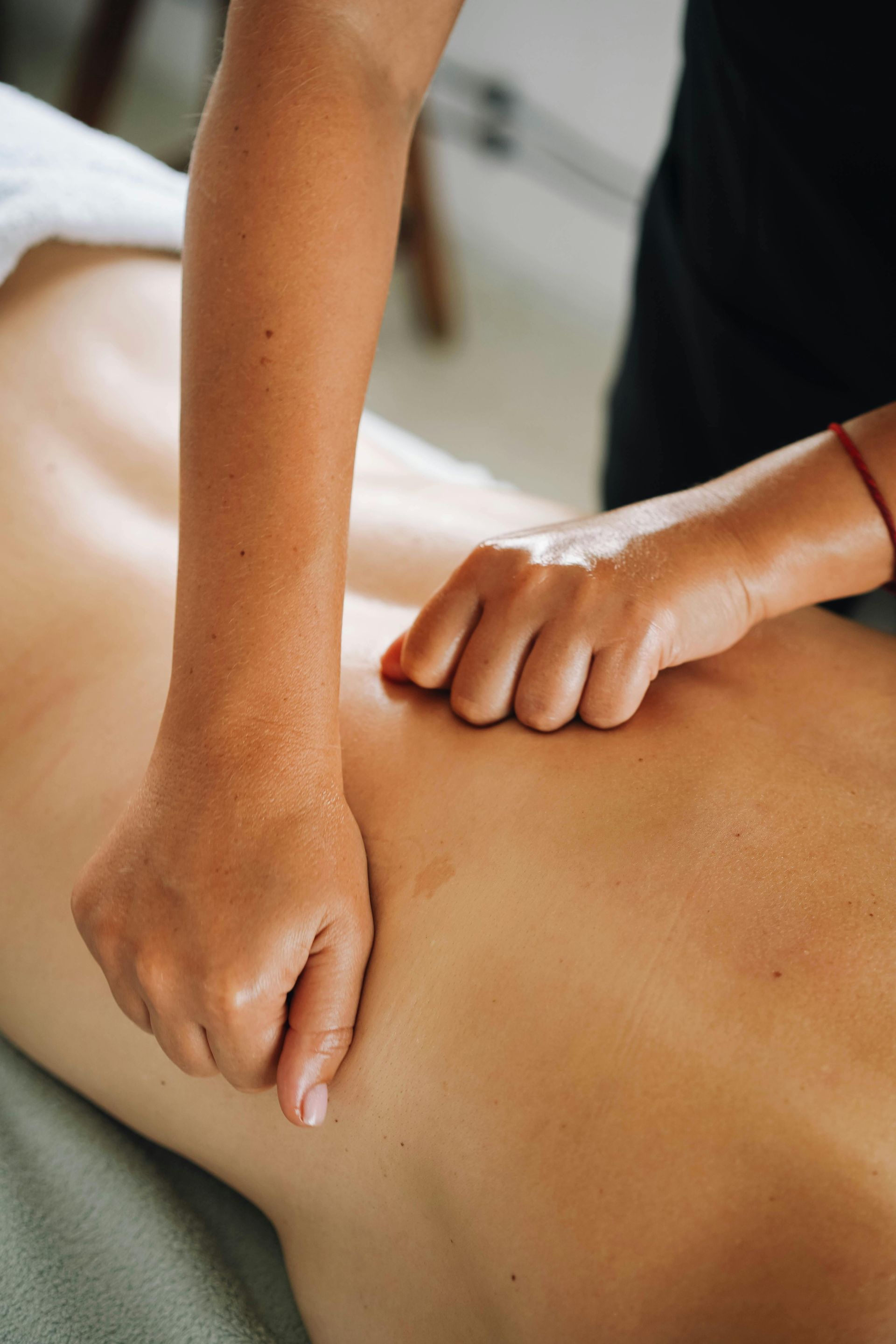
Effective tui na massage requires the therapist to assess how your posture, movement habits, and previous injuries create compensation patterns that overload certain muscle groups while weakening others. The treatment addresses these imbalances by releasing tight tissue, stimulating underactive areas, and restoring proper joint alignment so your body can maintain improvements between sessions. Therapists apply techniques like grasping and shaking to break up adhesions in connective tissue that standard kneading doesn't affect.
After a session, you'll notice that movements that felt restricted before treatment now have a fuller range, and muscle groups that were constantly firing to compensate for weak areas feel less fatigued. The Pure Massage & Spa therapists often recommend combining tui na with acupressure therapy when clients need both deep structural work and energy pathway stimulation to address complex pain patterns. You may experience some soreness in treated areas for up to forty-eight hours as your body adjusts to corrected alignment and increased circulation through previously restricted tissue.
Tui na works progressively, with each session building on structural improvements from the previous treatment. Clients dealing with chronic postural issues or old injuries that never fully healed typically need a series of sessions to retrain muscle patterns and stabilize joint alignment. The approach includes recommendations for stretches and movements that support the corrections made during treatment, which helps extend the benefits and prevent regression between appointments.
Answers to Frequent Bodywork Questions
Clients considering tui na massage often want to understand how the treatment differs from massage styles they've tried previously and what the recovery process involves.
What makes tui na massage different from deep tissue massage?
Tui na incorporates joint mobilization, stretching, and alignment techniques alongside muscle work, addressing skeletal positioning and movement patterns rather than focusing solely on releasing tight tissue.
How long does a typical tui na massage session last?
Sessions generally run sixty to ninety minutes depending on how many areas require treatment, with the therapist spending extra time on regions showing significant restriction or misalignment.
What should I expect to feel during the massage?
You'll feel firm pressure along muscle channels, stretching sensations as the therapist moves your joints through their range of motion, and targeted compression on areas where tissue has adhered or circulation has decreased.
Why does tui na sometimes cause temporary soreness?
The vigorous techniques used to break up adhesions and stimulate circulation in restricted tissue can cause mild inflammation initially, similar to soreness after resuming exercise following a period of inactivity, though this typically resolves within two days.
When is the best time to schedule tui na treatment in Northampton or Agawam?
Most clients prefer scheduling during periods when they can rest afterward rather than returning immediately to physically demanding work, as your body continues adjusting alignment and processing the increased circulation for several hours post-treatment.
The Pure Massage & Spa applies traditional tui na techniques to address chronic pain patterns, restricted mobility, and postural imbalances that haven't responded to conventional massage. Arrange a consultation to discuss how this therapeutic bodywork can target your specific muscular and structural concerns.