Chronic Tension That Won't Release
Deep Tissue Massage in Northampton and Agawam for clients with chronic muscle tension and physically demanding lifestyles
Muscle knots that persist despite stretching, restricted range of motion that affects daily activities, and pain that returns shortly after lighter massage all indicate that tension has formed in deeper tissue layers where surface techniques cannot reach. Deep tissue massage at The Pure Massage & Spa works through these adhesions using focused pressure applied slowly enough that your body can adapt rather than resist. Athletes, clients with physically demanding jobs, and anyone dealing with long-standing tension that hasn't responded to gentler approaches schedule this service when superficial relaxation no longer addresses what they're experiencing.
The technique targets deeper muscle layers and connective tissue using slower strokes, concentrated pressure on specific points, and deliberate work along muscle fibers where adhesions have formed. Your therapist adjusts pressure based on what your tissue responds to, working at the edge of discomfort without pushing past what your body can process during the session.
Schedule a therapeutic massage session to address tension that hasn't responded to lighter pressure techniques.
Why Deeper Pressure Works for Adhesions
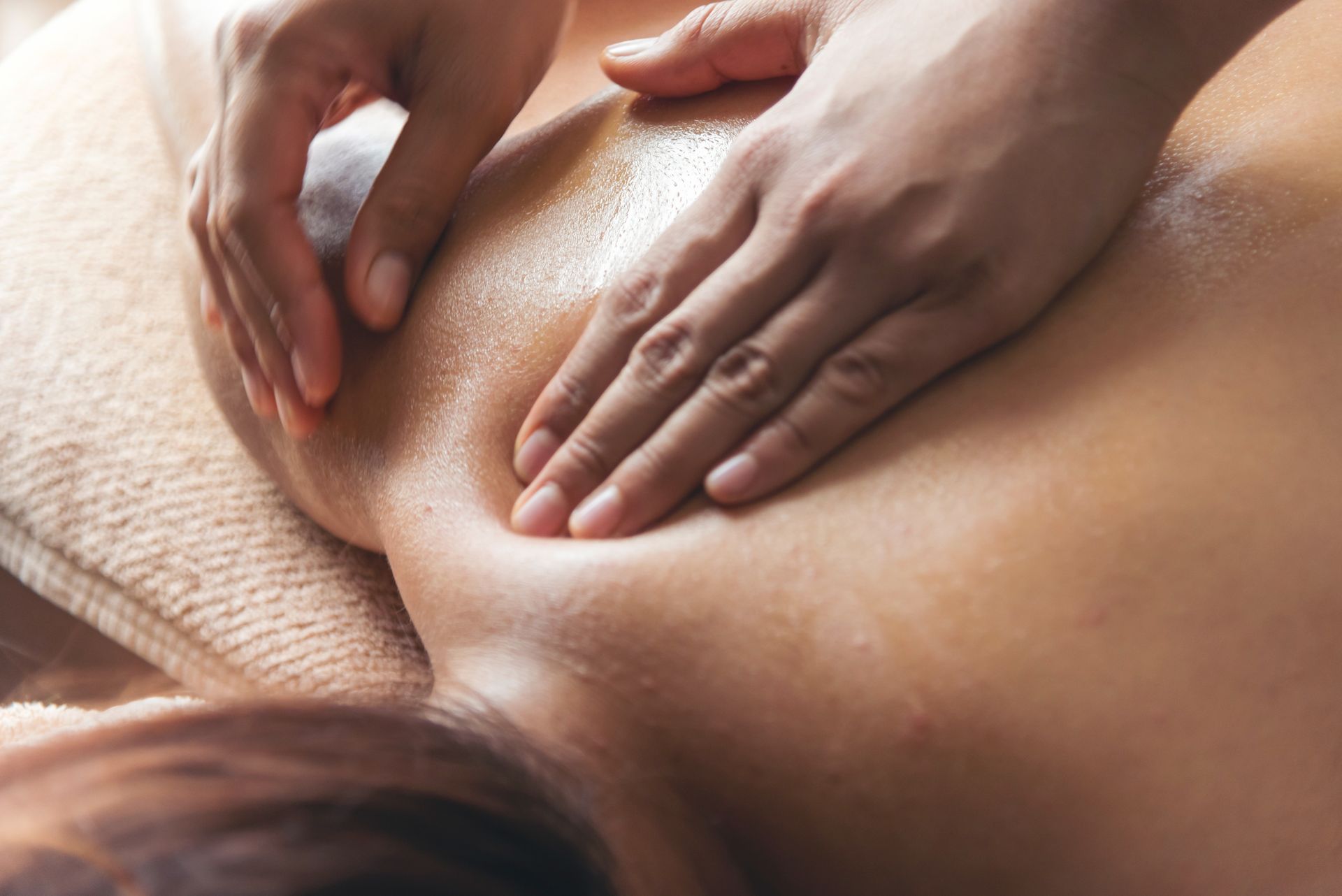
When muscle fibers remain contracted for extended periods, they form adhesions where tissue that should slide independently begins sticking together. Deep tissue work applies sustained pressure that encourages these areas to separate, restoring the sliding motion necessary for full range of movement. The slower pace allows your nervous system time to recognize that the pressure is therapeutic rather than threatening, which prevents the reflexive tightening that defeats the purpose of the work.
After treatment, you notice that movements that were limited—reaching overhead, rotating your torso, bending forward—now complete their full range without the catching sensation that was stopping them short. The chronic ache that was present even at rest diminishes as blood flow returns to areas where circulation had been restricted by constant muscle contraction. Your body moves more freely because the physical restrictions that were dictating your movement patterns have been addressed.
This approach includes therapist communication throughout the session to confirm that pressure remains within your tolerance, modifications based on how tissue responds during treatment, and post-session guidance on what sensations are normal as your body processes the work. Deep tissue massage is not appropriate for acute injuries, inflammatory conditions, or clients who need only relaxation rather than therapeutic intervention.
What Clients Usually Ask
Clients in Northampton and Agawam considering deep tissue work often want to understand how the technique differs from relaxation massage and what to expect during recovery.
What distinguishes deep tissue massage from Swedish massage?
Deep tissue massage applies focused pressure to reach muscle layers below the surface, using slower strokes and sustained compression to address adhesions and chronic tension rather than providing general relaxation.
How much discomfort should I expect during the session?
You feel significant pressure at points where adhesions are being worked, but the sensation should remain within a range where you can breathe normally and your muscles don't reflexively tighten against the pressure.
What happens to my muscles in the hours after treatment?
Tissue that was worked deeply may feel tender similar to post-exercise soreness, circulation increases as blood flow returns to previously restricted areas, and you may notice fatigue as your body processes the changes.
When is deep tissue massage the right choice instead of lighter techniques?
This approach works best when you have specific areas of chronic tension, limited range of motion from muscle restriction, or pain that returns quickly after relaxation massage because the underlying adhesions weren't addressed.
How do therapists know how much pressure to apply?
The Pure Massage & Spa therapists monitor tissue response during treatment, checking verbally that pressure remains tolerable and adjusting based on whether muscles are releasing or tightening against the work.
The Pure Massage & Spa provides therapeutic massage that addresses deeper tension through techniques designed for muscle recovery and pain relief rather than general relaxation. Book an appointment to begin working through chronic restrictions that limit how your body moves and functions.